
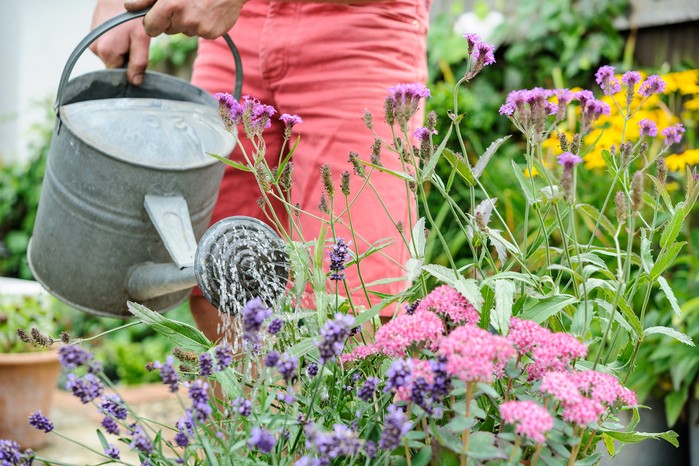
Maintaining vibrant and healthy plants requires more than just occasional watering and fertilizing. Advanced garden care techniques are essential to ensure optimal plant health and longevity, enhancing the beauty and productivity of your Garden care (Gartenpflege). Whether you’re tending to a small backyard garden or a sprawling landscape, implementing these professional techniques can make a significant difference in plant vigor and overall garden success.
1. Soil Testing and Amendment
Start with soil testing to assess nutrient levels, pH balance, and texture. Soil tests provide valuable insights into the specific needs of your plants, allowing you to adjust fertilizer applications and soil amendments accordingly. Amend soil with organic matter such as compost, aged manure, or peat moss to improve soil structure, fertility, and water retention capacity.
2. Precision Watering Techniques
Master the art of precision watering to prevent under or overwatering, which can stress plants and compromise their health. Use soaker hoses or drip irrigation systems to deliver water directly to the root zone, minimizing water waste and promoting deep root growth. Monitor soil moisture levels regularly and adjust watering schedules based on weather conditions and plant requirements.
3. Integrated Pest Management (IPM)
Implement an Integrated Pest Management (IPM) strategy to manage pests effectively while minimizing environmental impact. IPM combines cultural, biological, and mechanical control methods with targeted use of pesticides as a last resort. Encourage natural predators, practice crop rotation, and maintain plant health through proper watering and fertilization to reduce pest infestations.
4. Pruning and Deadheading
Regular pruning and deadheading are essential for maintaining plant shape, promoting flowering, and preventing disease. Use clean, sharp tools to remove dead or diseased branches, spent flowers, and overcrowded growth. Prune according to plant species and growth habits, focusing on improving airflow and light penetration within the canopy.
5. Mulching for Moisture Conservation
Apply a layer of organic mulch around plants to conserve soil moisture, suppress weed growth, and regulate soil temperature. Use materials such as shredded bark, wood chips, or straw, maintaining a depth of 2-4 inches around plants. Avoid mulch piled against plant stems to prevent moisture-related diseases and encourage healthy root development.
6. Fertilization Strategies
Adopt a balanced approach to fertilization based on plant nutrient requirements and soil test results. Use slow-release fertilizers to provide consistent nutrient availability without risk of over-fertilization. Apply fertilizers during active growth periods, following manufacturer’s instructions for application rates and timing to avoid nutrient imbalances and environmental contamination.
7. Seasonal Maintenance Tasks
Tailor garden care practices to seasonal requirements to support plant growth and resilience throughout the year:
- Spring: Prepare garden beds, prune dormant plants, and apply early-season fertilization.
- Summer: Monitor watering needs, control pests, and deadhead spent flowers to encourage continuous blooming.
- Fall: Clean up garden debris, plant fall-blooming bulbs, and apply winter mulch to protect plants from frost.
8. Monitoring and Record-Keeping
Keep detailed records of garden activities, including planting dates, pruning schedules, pest sightings, and soil amendments. Regular monitoring allows you to track plant health trends, identify potential issues early, and adjust garden care practices proactively. Use observations to refine your gardening techniques and improve overall garden performance.
9. Continuous Learning and Adaptation
Stay informed about current gardening trends, plant varieties, and emerging pest management techniques through reputable sources. Attend workshops, join gardening clubs, or consult with local extension offices for expert advice and community support. Continuously adapt your gardening practices based on new information and experiences to optimize plant health and garden productivity.
By incorporating these advanced techniques into your garden care routine, you can cultivate a thriving garden environment that showcases lush foliage, vibrant blooms, and robust plant growth. Dedicate time and attention to each aspect of garden maintenance to reap the rewards of a healthy and flourishing garden throughout the seasons.
