
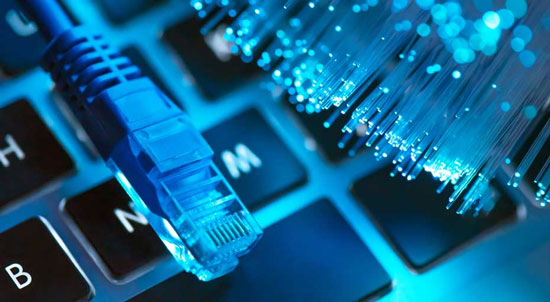
In the world of internet connectivity, the choice of technology significantly impacts speed, reliability, and user experience. Two common options are DSL fiber optic difference (DSL Glasfaser Unterschied). While both serve the purpose of providing internet access, they differ greatly in performance, infrastructure, and application. Understanding these differences can help users make informed decisions based on their needs and budget.
What is DSL?
DSL is an older technology that delivers internet over traditional copper telephone lines. Unlike dial-up, DSL allows simultaneous internet and phone use. It is widely available, especially in areas where telephone infrastructure is well-established.
What is Fiber Optic Internet?
Fiber optic internet is a newer, more advanced technology that uses light signals transmitted through glass or plastic fibers to deliver data. Fiber cables are capable of handling significantly higher speeds and larger data volumes than copper lines, making it the preferred choice for modern internet users.
Key Differences Between DSL and Fiber Optic Internet
1. Speed
- DSL:
DSL speeds typically range from 1 Mbps to 100 Mbps, depending on the type (ADSL, VDSL) and proximity to the provider’s central office. While sufficient for basic tasks like browsing and streaming in standard definition, DSL struggles with high-bandwidth activities like HD streaming or online gaming. - Fiber Optic:
Fiber optic speeds can reach up to 1 Gbps (1,000 Mbps) or more, offering lightning-fast downloads and uploads. This makes it ideal for heavy internet users, businesses, and smart home setups requiring multiple connected devices.
2. Reliability
- DSL:
DSL connections are susceptible to interference and signal degradation, especially over long distances. Factors such as old wiring and weather conditions can also impact reliability. - Fiber Optic:
Fiber is far more reliable as it is resistant to electromagnetic interference and weather-related issues. It provides consistent performance even over long distances, ensuring a stable connection.
3. Infrastructure
- DSL:
DSL uses existing copper telephone lines, making it readily available in many areas. However, this reliance on old infrastructure limits its performance and scalability. - Fiber Optic:
Fiber requires specialized infrastructure, which can be costly to install. While its availability is growing, it is still limited in rural or underdeveloped areas.
4. Cost
- DSL:
DSL plans are generally cheaper due to the use of existing infrastructure and lower speeds. It is an affordable option for basic internet needs. - Fiber Optic:
Fiber plans are more expensive, reflecting the higher cost of installation and maintenance. However, the enhanced performance and reliability often justify the price for users requiring high-speed internet.
5. Future-Proofing
- DSL:
DSL technology is nearing obsolescence as user demands for higher speeds continue to grow. - Fiber Optic:
Fiber is future-proof, capable of handling increasing data demands for years to come.
Which Should You Choose?
The choice between DSL and fiber optic internet depends on your needs:
- Choose DSL if you live in an area without fiber access or require a budget-friendly option for light internet use.
- Opt for fiber optic if speed, reliability, and future-proofing are your priorities, especially if you’re a heavy user or rely on high-speed connectivity for work or entertainment.
Final Thoughts
DSL and fiber optic internet each have their advantages and limitations. While DSL remains a viable option for basic users, fiber optic is rapidly becoming the gold standard for modern connectivity. By understanding these differences, users can select the best solution to meet their internet requirements, ensuring a seamless online experience.
