
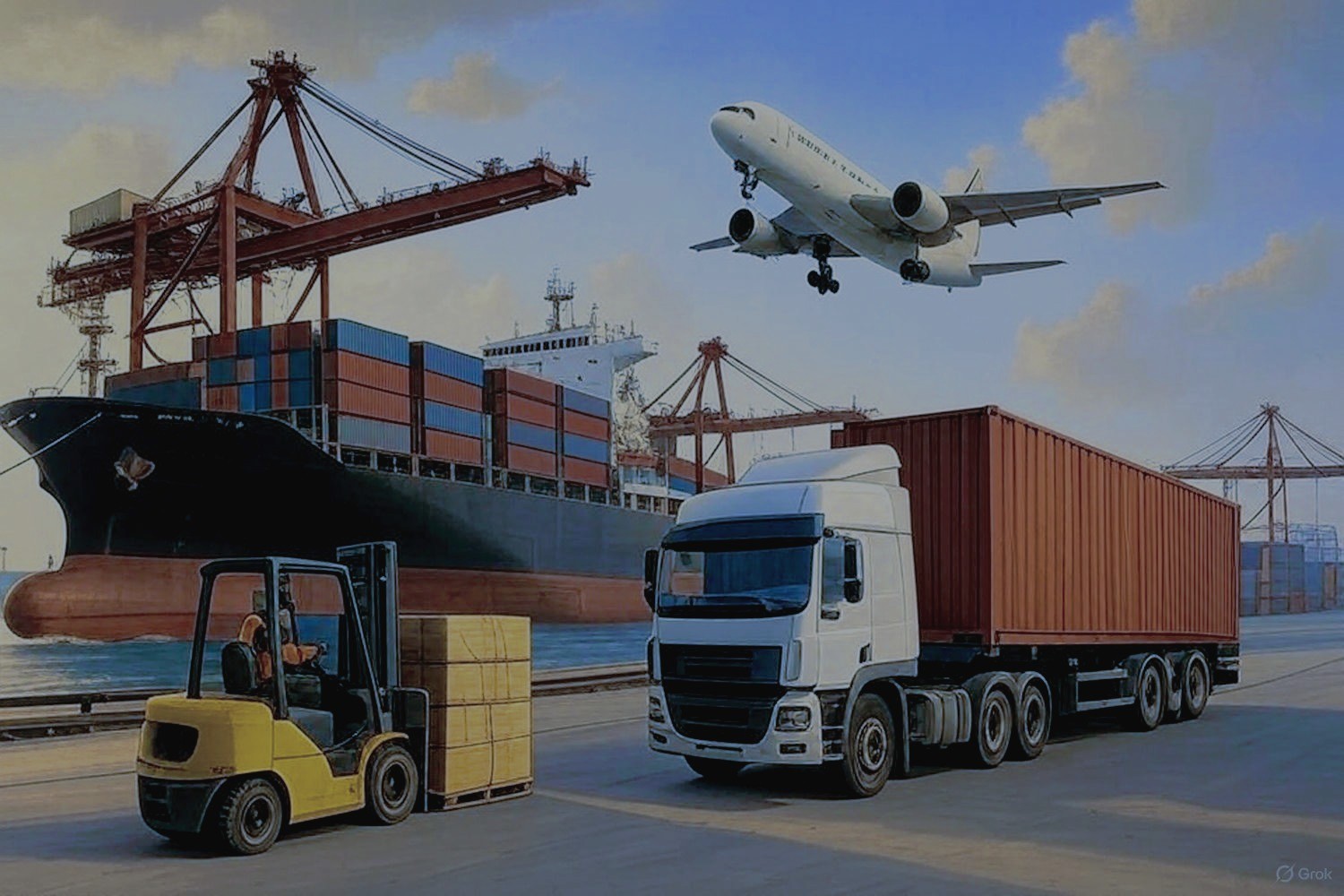
Moving goods across national borders requires careful coordination, accurate documentation, and dependable transport planning. european haulage provides businesses with a structured way to move commercial goods between the UK and destinations across Europe while keeping each stage organised. From collection and route planning to border procedures and final delivery, professional haulage services help create a smoother logistics process. A clear understanding of transport requirements can also help businesses prepare shipments more effectively and reduce avoidable delays.
What does European haulage involve?
European haulage covers the transportation of goods between different countries using road freight networks. Depending on the shipment, the service may involve full-load transport, part-load movements, or scheduled freight arrangements. Each consignment requires consideration of its size, handling requirements, destination, collection point, and delivery schedule.
The process normally begins with shipment information being assessed. Transport planners then consider the most suitable route, vehicle requirements, documentation, and delivery arrangements. This structured approach helps businesses maintain better visibility throughout the movement.
Why is route planning important?
Route planning is one of the most important elements of cross-border freight transportation. European road networks connect numerous markets, but traffic conditions, border crossings, road restrictions, and regional regulations can influence journey times.
Professional planning considers the destination, collection location, vehicle suitability, and practical road conditions. It can also account for potential disruptions and alternative routes. Effective planning allows transport teams to respond more efficiently when circumstances change during a journey.
How are customs requirements handled?
Cross-border transportation involves documentation that must accurately reflect the shipment. Customs procedures can vary according to the goods, destination, origin, and applicable trading requirements.
A professional logistics process should ensure that relevant paperwork is prepared and checked before the shipment begins its journey. Accurate commercial information, transport documentation, and customs details can help reduce administrative complications. Businesses should provide complete shipment information so that the transport team can establish the appropriate requirements before collection.
What types of goods can be transported?
European road freight can accommodate a broad range of commercial consignments. General merchandise, manufactured products, retail goods, equipment, packaged materials, and other business shipments may all require international road transportation.
The appropriate vehicle and handling arrangements depend on the characteristics of the goods. Fragile, oversized, temperature-sensitive, or specialised consignments may require additional planning. Sharing accurate product information in advance helps determine the most suitable transport arrangement.
How does shipment visibility improve logistics management?
Visibility is important because businesses need to understand where their goods are during transportation. Clear communication between the transport provider and customer can make it easier to monitor collection, transit, border processing, and delivery progress.
Consistent updates can also support inventory planning and customer communication. When logistics teams have access to reliable shipment information, they can respond more confidently to changes and coordinate their wider supply chain.
What can businesses do before arranging European freight?
Preparation can make international transportation considerably more straightforward. Businesses should confirm the collection and delivery addresses, provide accurate shipment descriptions, prepare required documents, and communicate any special handling requirements.
It is also useful to establish realistic delivery expectations based on the route and nature of the shipment. Clear communication at the planning stage reduces uncertainty and gives the transport provider the information needed to organise the movement effectively.
Why choose professional European road freight services?
Professional transport support combines planning, coordination, documentation, and delivery management within one logistics process. This can be particularly valuable for businesses that regularly move goods across European borders.
A well-managed service focuses on reliability, communication, compliance, and practical route management. By using a structured approach to international road freight, businesses can keep their supply chains organised while supporting dependable movement between the UK and European markets.
